Choosing between refrigerated storage and freezer storage seems straightforward until you put real product on the line. Shelf life, compliance, flavor, and customer experience all hinge on that temperature setpoint. I have watched a container of berries collapse from temperature abuse in two days, and I have seen a frozen protein program saved because a warehouse caught a compressor anomaly before it snowballed. The difference between a good fit and a costly mistake isn’t a brand of racking or an extra pallet position. It is an honest look at product chemistry, velocity, and the steps your inventory takes from receiving to final mile.
This guide draws from what actually happens on the floor of cold storage facilities and on the dock at 3 a.m., when a late trailer forces tough decisions. Whether you are searching for cold storage near me, building out a cold storage warehouse in-house, or comparing options in a specific market like refrigerated storage San Antonio TX, the choice between chilled and frozen should be evidence-based and practical.
What temperature control really does
Temperature control slows down or stops biological, chemical, and physical changes. Refrigerated storage, typically 33 to 45 Fahrenheit, keeps fresh product in a safe zone, inhibits most bacterial growth, and preserves structure. Freezer storage, usually 0 Fahrenheit or below, arrests microbial activity and locks in quality by immobilizing water. The same principle applies across product types, but the consequences vary.
A case of strawberries at 38 Fahrenheit holds texture for a few days. Drop it to 30, and you get chill injury and dull color. A case of pork held at 28 will not truly freeze, which means enzymatic activity continues and shelf life shortens. These are not theoreticals, they are the calls you make when a load arrives warmer than the bill of lading and you need to triage.
How to decide: product, process, and promise
The right environment depends on three realities. First, the product’s biology and required shelf life. Second, the process your inventory follows from procurement to delivery. Third, the brand promise you make to customers about freshness or longevity. Put bluntly, if your product must be fork-ready and bright on a dining room plate, refrigeration with tight humidity control likely wins. If your product must survive months and cross regions, frozen is your safety net.
I advise teams to map SKUs by risk and revenue. High-value, short-life items need tighter monitoring and shorter dwell times. Low-velocity SKUs with stable demand may belong in a freezer program with a straightforward pick plan. If you sell in San Antonio and rely on afternoon routes in July, your temperature-controlled storage San Antonio TX strategy should account for heat soak during loading and last-mile transit. A refrigerated solution that works in March can fail by August unless the dock plan, cross-docking practice, and final mile delivery services are aligned.
What belongs in refrigerated storage
Refrigerated storage excels for items that dislike freezing and depend on respiration or delicate structure. Produce is the obvious case. Leafy greens, berries, tomatoes on the vine, and stone fruit breathe and transpire. They need cool temperatures and the right humidity, not ice crystals. Fresh dairy, including milk and cultured products, stays stable in the mid-30s. Eggs prefer just above freezing to prevent condensation at pull. Fresh proteins can live in refrigerated rooms, but tight temperature bands are critical: poultry around 32 to 34, beef slightly warmer if aging is part of the program, and seafood often just above icing temperature.
Beverages, prepared salads, dressings, and some pharmaceuticals also fit chilled storage. Confectionery can be a surprise. Chocolate tolerates cool rooms better than subzero, which can cause fat bloom when product moves back to ambient conditions. If you operate a cold storage warehouse near me and service multiple categories, dedicate separate zones or airflow patterns to avoid cross-flavoring. Onions stored next to apples is a lesson most operators only learn once.
The operational win with refrigerated storage is speed. Putaway and picking can run faster because workers retain dexterity longer in cool rooms compared with freezers. Equipment lasts longer, batteries hold charge, and error rates tend to stay lower during long shifts. If your business model leans on cross-docking and daily turns, refrigeration supports that rhythm. A cross dock warehouse that moves pallets from intake to outbound within hours benefits from a chilled buffer where product never sees temperature abuse on the dock.
What belongs in freezer storage
Freezer storage is insurance for time. It is where you protect value from demand swings, supply gaps, and seasonality. Frozen proteins are the classic use case. Fish caught at sea, blast frozen within hours, and held at minus 10 to minus 20 Fahrenheit can maintain quality for months when the cold chain is unbroken. Bulk ingredients, from butter to fruit purees, sit comfortably at 0 or below and feed manufacturing lines on predictable schedules. Frozen bakery, from par-baked loaves to laminated dough, relies on zero-degree holds to pause fermentation.
Freezers enable national distribution. The moment you commit to multi-month inventory positions, a freezer program often becomes the only rational choice. Even then, match the temperature to product needs. Ice cream demands colder holds, often minus 20, to control recrystallization and texture. If a warehouse tells you their freezers sit at 0 and ice cream performs fine, ask how often doors cycle, how they stage during picks, and whether they audit core temps, not just air.
Plan for human factors. In subzero rooms, the clock runs faster on people. Pick paths must be tight, slotting should minimize travel, and pick-to-light or voice tech can offset heavy gloves. Count on more battery swaps and more maintenance. You will spend more on energy, defrost cycles, and door systems. These costs are worth it when the alternative is product loss or denied purchase orders.
The middle ground: controlled chill and superchill
Between chilled and frozen sits a narrow but useful band sometimes called superchill, where setpoints hover just below water’s freezing point without forming large ice crystals. Certain proteins benefit, particularly fish and some red meat cuts, trading days or weeks of extra life for a modest energy bump. These rooms require precise control and attentive monitoring. Not every cold storage warehouse offers them, and not every product tolerates them, but when you have a high-dollar SKU and a tight launch window, the extra days can absorb a carrier delay without destroying margins.
Humidity is the other lever. Many headaches blamed on temperature are actually humidity failures. Dry lettuce at 36 looks tired, damp cartons at 34 mold faster. A warehouse that invests in dehumidification at docks and uses strip curtains, air curtains, and staged vestibules reduces frost in freezers and dehydration in chill rooms. If you shop for cold storage facilities, ask pointed questions about humidity setpoints and audits, not just Fahrenheit.
Receiving realities: temperature on arrival matters
No storage plan rescues a bad receiving process. I have turned away trucks that arrived with deep pallets reading 45 in the center, even though the reefer unit on the trailer said 34. Aged gaskets, blocked airflow, or too many door cycles on route can create microclimates inside a trailer. Good operators probe multiple cases, record temperatures, and decide quickly. If product arrives warmer than spec but still safe, the choice between refrigerated storage and a quick freeze becomes tactical.
Quick-freezing a product that was intended for chilled sale can change texture and violate label claims. For some SKUs, like fresh never frozen chicken, freezing breaks brand promises and triggers different labeling regulations. For others, like fruit destined for puree, freezing might be acceptable and saver of value. When you evaluate a cold storage warehouse near me or in San Antonio TX specifically, ask how they handle temperature exceptions. Do they have a quarantine area at controlled temp, do they offer repack or relabel services, and can they pre-cool loads before putaway to avoid shocking warm product in a cold slot?
The San Antonio factor: heat, humidity, and distance
Operating in San Antonio teaches humility. Summer pavement can read over 130 Fahrenheit by midday. Trailers lose temp fast on congested docks. A temperature-controlled storage San Antonio TX program needs layered protection: shaded staging, fast-turn doors, and disciplined dock scheduling. Cross dock San Antonio TX providers that keep loads moving within 30 to 90 minutes limit the risk of sweating cases and ice melt.
Humidity spikes during storm fronts test seals and dock levellers. A good local partner knows these patterns and adjusts. I have seen teams shift heavy freezer picks to early morning and run refrigerated picks closer to departure to minimize time at the threshold. If you search for cross dock near me in this market, prioritize facilities with enclosed docks or vestibules and staff trained to enforce door discipline. Every extra minute that a freezer door stays open adds frost to coils and steals capacity. Those five-minute leaks add up to hours of defrost and poor airflow by evening.
Final mile delivery services in San Antonio TX deserve equal scrutiny. The best warehouse controls can be undone in the last 15 miles. Ask carriers about equipment: are they using insulated vans with active cooling, or dry vans with ice blankets? What is their plan during 3 p.m. heat when traffic slows? Do they log temps and provide proof on delivery? I have watched route density models that looked strong on paper crumble because drivers spent seven minutes per stop fanning doors open. A little training and a simple rule, like staging by route in a dock-level cooler and loading in reverse drop order, brings temperatures back into range and reduces customer complaints.
Inventory velocity and unit economics
It is tempting to treat storage choice as a one-time decision. In practice, inventory velocity changes with season and sales mix. A line that moves quickly through a refrigerated slot in spring might slow to a crawl by late summer when customers switch to other products. If your turns drop, carrying chilled inventory becomes riskier. One answer is to split the SKU: hold a base layer in the freezer and a forward pick in refrigeration. This hybrid model uses cross-docking to refresh the forward pick as orders drain. It works only if your operation can thaw or temper product safely when needed, and if labeling and quality are consistent.
Run the numbers. Freezer space often costs more per pallet position than chilled space, sometimes by 10 to 30 percent depending on energy rates and construction. Labor per pick is higher. Those premiums can be offset by reduced shrink and better fill rates. Conversely, if your product is truly fresh-driven with short lead times, paying extra for freezers you rarely use is wasteful. I have seen small brands burn cash on frozen inventory they could have replenished weekly using a cross-docking partner.
Packaging and airflow: the forgotten variables
Carton design, palletization, and wrap tension affect temperature outcomes more than newcomers expect. A tightly wrapped pallet with minimal venting can take 24 to 36 hours to equalize in a cooler, longer in a freezer. If you are moving from ambient to refrigerated storage, switch to vented cartons and consider slip sheets to improve airflow. For freezer programs, avoid moisture-heavy corrugate that collapses during defrost cycles. Shrink film with the right perforation avoids condensation pockets. The best facilities help redesign packaging, because it saves them energy and saves you shelf life.
Staging matters too. I have watched crews park newly received warm pallets in the corner of a cooler because the inbound lane was full. Those pallets stayed warm far too long, and the customer blamed the room. A well-run cold storage warehouse sets aside a pre-cool lane with high airflow, probes cores, and only releases to putaway once temps trend correctly. These are boring habits, and they are the ones that protect product.
Compliance and documentation
If you touch food or pharma, documentation is part of the value. FSMA, HACCP, and customer audits expect proof. Temperature logs, deviation reports, and corrective actions should be routine, not a scramble. When choosing refrigerated storage San Antonio TX or freezer capacity anywhere, look for facilities that show you live dashboards or share weekly temperature summaries. Probe calibration records, door cycle logs, and maintenance schedules are not trivia. They are the difference between passing an audit and scrambling to explain a data gap.
Lot control ties into this. Frozen programs often span months. You need traceability that survives relocations, cross-docking, and rework. A cross dock warehouse near me with strong WMS can marry inbound ASN data to pallet IDs and preserve chain of custody as loads move. If you plan final mile delivery services through the same provider, confirm that their systems carry lot and temperature data through to delivery receipts. Retailers and healthcare systems increasingly ask for this.
Cross-docking as a strategic tool
One of the most effective ways to keep temperature integrity is to compress dwell time. Cross-docking does exactly that. Instead of putting away pallets and pulling them back out later, you schedule inbound and outbound to meet on the dock and swap. For chilled products, this maintains core temps and cuts handling. For frozen product, it reduces door cycles in the freezer and saves energy.
In San Antonio and similar climates, cross-docking must be disciplined. Inbound arrives, gets probed, and either flows through or enters a short-term buffer. Teams pre-palletize by route and stage on dock positions with minimal air exposure. If the facility offers both refrigerated and frozen cross-dock lanes, you can keep mixed-temperature loads tight and prevent the classic mistake of leaving a freezer pallet sweating in a 40-degree dock while waiting on a driver.
When you need both: common mixed portfolios
Most brands end up with a mix. A meal kit service might refrigerate produce and dairy, freeze proteins and desserts, and ship mixed boxes daily. A bakery wholesaler might freeze dough and proof in-market, staging day-of picks in a cooler. These operations hinge on choreography. The warehouse must orchestrate pulls from both environments, stage efficiently, and load at the right sequence so frozen items stabilize the load while chilled items avoid freeze damage.
During peak seasons, flex capacity matters. If you operate in Texas, plan for holiday spikes when frozen proteins dominate inbound and cooler items dominate outbound retail promotions. The best temperature-controlled storage partners build flexible dock schedules and can flip headcount between rooms. Ask them how they staff crossover shifts and what they do when a freezer compressor trips on a Friday afternoon. The answer tells you whether they are a vendor or a partner.
What to ask when touring a facility
A short, focused checklist helps you get past polished lobbies and into operational reality.
- Show me temperature logs for the last 90 days in the exact room my product would occupy, including min, max, and alarms resolved. Walk me through your receiving probe protocol, quarantine process, and criteria for rejecting or reworking a load. Open a freezer door during active picking, and explain how you control frost, door cycles, and airflow recovery. Demonstrate how your WMS tracks lot codes across cross-docking, putaway, and final mile delivery services, and show an example POD with temperature data. Describe your plan during extreme heat in San Antonio, how you stage routes, and what redundancies you have if a unit fails on a weekend.
Five questions, answered well, reveal more than a glossy brochure and a tour that avoids the maintenance room.
Common pitfalls and how to avoid them
The first pitfall is letting marketing outrun operations. A brand promises never frozen without building the buffer required to handle late inbound or route delays. The second is storing high-moisture products in a freezer without proper packaging, leading to freezer burn and customer complaints. The third is mismatching turnover and storage type, such as parking slow movers in a cooler because the freezer is full, then writing off shrink later. Fourth, underestimating the loading dock. The best cooler in the city cannot save product that sits in a hot bay for 45 minutes. Finally, neglecting people. Labor in cold environments is a skill, and retention hinges on gear, warm break areas, and predictable shifts.
Prevention is not glamorous. It looks like adding strip curtains, re-slotting SKUs so high-volume items live near doors, investing in battery warmers for forklifts, and training drivers to close doors between stops. The cost is modest compared with a truckload salvage claim.
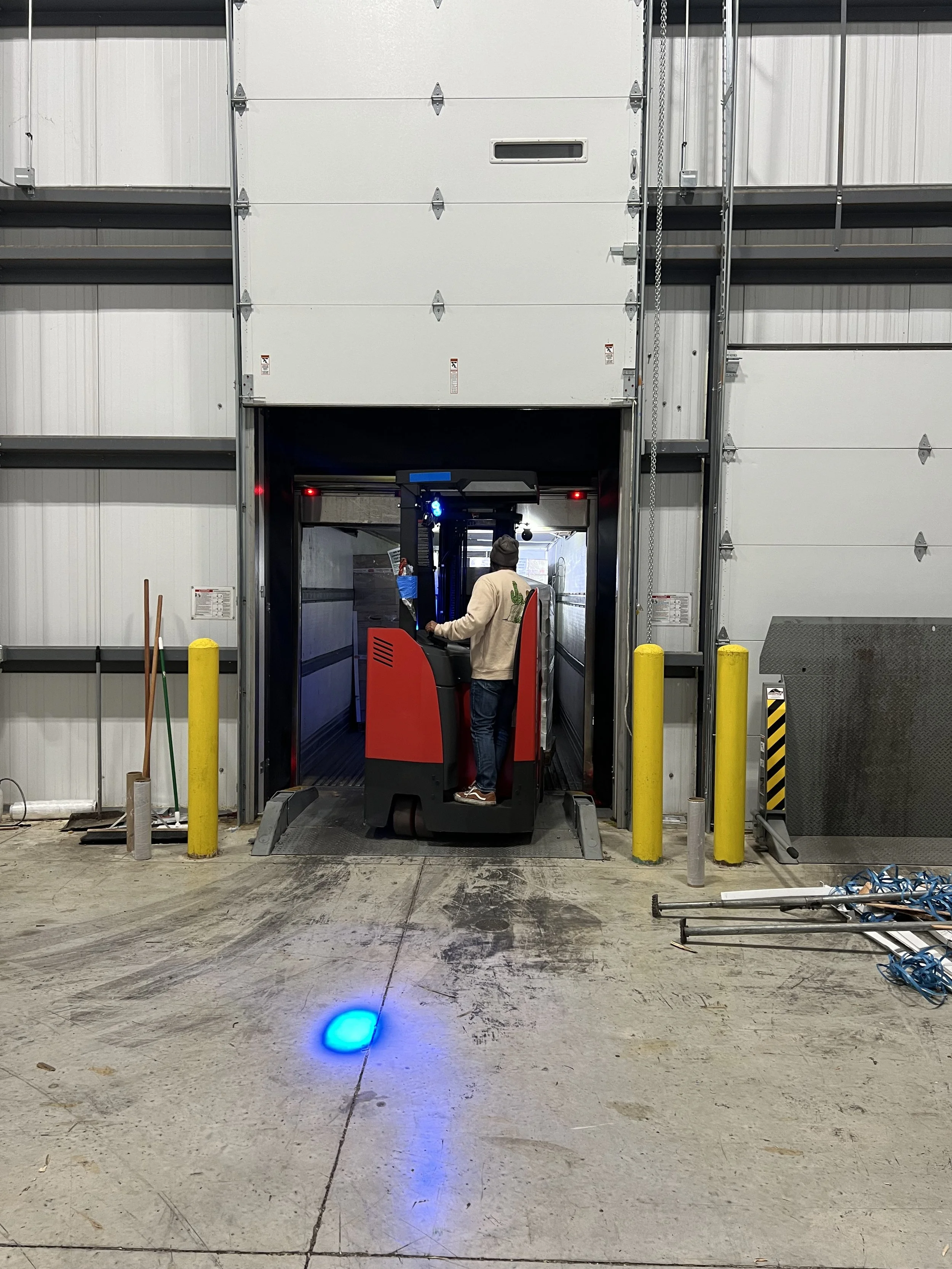
A note on location: why near me still matters
Searches for cold storage near me are not only about convenience. Proximity reduces non-productive time, cuts temperature exposure during transit, and improves route density for final mile delivery. In a market like San Antonio, where urban sprawl meets hot highways, shaving 20 minutes per route stop can be the difference between compliant product and a service credit. If your sales footprint is local or regional, a cold storage warehouse near me with strong cross-docking can outperform a cheaper, distant facility. If your footprint is national, you may blend regional refrigerated hubs with a central freezer program, then rely on cross-docking to replenish forward positions.
Making the call
If your product is fresh-forward, depends on texture and aroma, and turns in days, start with refrigerated storage, tighten humidity control, and design a fast cross-docking program. If your product must bridge seasons, travel far, or ride out promotional swings, design for freezer storage with the right setpoint, then build a forward chilled pick or tempering step where it improves customer experience. In hot climates, budget for dock infrastructure, disciplined processes, and final mile partners that treat temperature as cargo, not as an afterthought.
The right answer often blends both worlds. You might stage two days of refrigerated inventory and backstop it with two weeks of frozen. You might run a refrigerated cross dock for daily outbound and a freezer for safety stock. The best cold storage facilities help you calibrate over time. They will share shrink data, suggest packaging tweaks, and flag SKUs that consistently arrive warm. In return, you share real demand patterns and give enough forecast for them to manage labor and energy intelligently.
A good partner cares about the same thing you do: delivering product that tastes, performs, and lasts as promised. From that shared goal, the choice between refrigerated storage and freezer storage final mile delivery services antonio tx augecoldstorage.com gets clearer. It becomes less about labels on a door and more about a chain of custody that holds, from receiving probe to the last mile doorstep.