Anyone who has ever had to discard a pallet of strawberries after a compressor hiccup understands the sting of avoidable waste. Shelf life is not an abstract metric. It is labor hours, freight miles, and brand reputation condensed into days on a calendar. Cold storage facilities give you control over that clock. Done right, they extend product freshness, stabilize supply, and reduce shrink. Done poorly, they add cost without much benefit, or worse, they amplify risk.
I have spent enough time in dock coats and hairnets to know that cold storage is not one thing. It ranges from a walk-in box behind a bakery to a networked cold storage warehouse serving multiple states. Whether you are searching for cold storage near me to plug a small gap next week or you run procurement for a grocery chain deciding on multi-year capacity in a cold storage warehouse San Antonio TX, the fundamentals are the same. You need the right temperature band, consistent execution, the best possible airflow and sanitation, and technology that supports traceability without smothering your team in data entry.
Temperature is a tool, not a target
Every product category has an ideal range, and when you hit that range precisely, you slow biochemical reactions, hold texture, and preserve flavor. Miss by a couple of degrees for long enough, and you will see color loss, drip, or microbial growth. The goal is stability, not just low temperatures. I have seen cooler rooms set at 33 Fahrenheit, nominally perfect for greens, swing between 30 and 36 during defrost cycles, which stressed sensitive items more than a stable 35 would have.
The most effective cold storage facilities tier their zones. A typical layout includes a deep-freeze room at minus 10 to 0 Fahrenheit for ice cream and long-term protein, a freezer at 0 to 10 for standard frozen goods, a chill room at 32 to 36 for dairy and produce, and a cool room at 38 to 45 for beverages and eggs. Some go further with high-humidity produce rooms or controlled-atmosphere zones for apples and pears. If you store mixed products in a single temperature-controlled storage space, you compromise shelf life for something. The art is assigning the right product to the right band without constantly rearranging pick paths.
When evaluating refrigerated storage, ask about control logic in addition to setpoints. Good systems monitor ambient air and product core temperatures, with fast sensors near doorways and slower sensors deeper inside pallets. If you see only one temperature reading on the screen, you are not seeing the true variability. I prefer facilities that manage defrost schedules based on coil performance rather than fixed times, and that modulate fans to balance humidity against frost load.
Moisture, airflow, and the quiet enemies of freshness
Temperature gets the headlines, but airflow patterns and relative humidity do much of the heavy lifting. Produce that desiccates at low humidity loses mass and crunch even at perfect temperatures. Seafood turns quickly in stagnant pockets where off-odors accumulate. Frozen foods develop frost and freezer burn when air is too dry or flows unevenly across packages.
I look for even air distribution and minimal dead zones. In practice, that means supply and return vents positioned to sweep across racking, not just blast over the top. High-cube buildings are efficient for storage, but they can stratify. Tall bay racking needs baffles or directed ductwork to avoid warm layers near the ceiling and cold sinks at the floor. If you see frost rings on the first few pallets near the evaporator but not in the middle aisles, airflow is off.
Humidity control takes finesse. Leafy greens hold best around 90 to 95 percent relative humidity at near-freezing temperatures. Chocolate prefers a drier environment to prevent bloom. Dry goods sitting in the same room do not like moisture migrating into corrugate. Facilities that run multiple chill rooms can maintain different RH setpoints and use variable-speed fans to reduce moisture stripping. In retrofit warehouses, portable humidification or misting can be a cost-effective stopgap for produce season.
Packaging and palletization, the overlooked shelf life lever
Cold storage cannot fix packaging that fights the product. Strawberries in clamshells need vents aligned with airflow, not tiny perforations tucked under labels. Meat in vacuum skin packs resists freezer burn better than overwrapped trays, given the same freezer. IQF vegetables last longer when the bag material is a proper barrier to oxygen and water vapor. Work with your packaging suppliers to match material permeability to your storage profile. In many cases, a slightly higher-spec film pays for itself in reduced shrink.
Palletization matters as well. It is tempting to stack tight to maximize cubic utilization, but bricks of cartons choke airflow. I prefer pallet patterns that leave small chimneys through the stack, with slip sheets judiciously used to prevent sagging without sealing off sides. If your storage partner uses mobile racking or dense push-back lanes, make sure the design allows enough space for air circulation. The extra pallet position is not worth it if the rear rows warm up during peak load.
Dock discipline and the golden hour
Most temperature abuse happens at the edges. A reefer trailer sits in the yard while paperwork lags. The dock door cycles open during a rushed cross-dock. A staging area becomes a semi-permanent purgatory of mixed-temperature pallets. Cold storage facilities that treat the dock like a critical control point have lower shrink, fewer quality disputes, and happier customers.
Several practices make a measurable difference. Staged loading plans reduce door time. Pre-cooling rooms prevent warm product from shocking the chillers and creating condensation. Frost curtains and well-maintained dock seals limit infiltration. I like to see time stamps on door openings and closings tied to lot numbers, not because I plan to wag fingers, but because that data helps fix recurring issues. If your product spends more than 20 minutes at ambient during transitions, build a countermeasure. A dedicated buffer zone at 50 Fahrenheit can be enough for chocolate and wine to ride out a dock backup without harm, while produce can go through a chiller vestibule that pulls down temperature faster than the main room.
Hygiene, sanitation, and the microbes you do not see
Shelf life depends on microbial counts at the moment product enters storage and the degree to which a facility adds or reduces load thereafter. Clean does not mean sterile, but it does mean disciplined. I look for written sanitation standard operating procedures with pre-op inspections documented and visible, swab results tracked, and corrective actions actually closed. Drains should be the cleanest line in the building, not a swamp. Condensate pans need maintenance before you see slime. Traffic patterns should keep raw and ready-to-eat streams separate, with color-coded tools and smocks that do not migrate.
Pathogen control is not one-size-fits-all. A protein-focused cold storage warehouse may run routine Listeria environmental monitoring. A cold storage facilities produce-heavy operation will obsess over moisture control and floor-surface roughness to prevent biofilm. If a facility offers refrigerated storage for allergen-containing SKUs, ask how they prevent cross-contact during picking and consolidation. Labels and physical segregation beat verbal assurances, every time.
Monitoring, traceability, and the data you actually need
Modern temperature-controlled storage operates with a spine of sensors, software, and alerts. Some facilities push dashboards with dozens of KPIs. The smartest ones show only what matters to you. At minimum, you should see temperature logs by room and by shipment, humidity tracking where relevant, and door-time or dwell-time metrics. For high-value or sensitive products, data loggers traveling with the pallet add confidence and help isolate where a breach occurred if you see spoilage later.
Traceability starts with accurate receiving: lot numbers, expiration dates, and condition upon arrival. Scanning at each handoff reduces transcription errors. I have had success with a simple exception-based approach. If a pallet spends more than X minutes outside of a cold zone, or if a sensor sees a variance beyond Y degrees for Z minutes, the system flags it. Not every flag means a problem, but consistent patterns are where improvement lives. Consider asking your provider to share raw data in a machine-readable format so your QA team can analyze trends across sites.
Energy efficiency and how it ties back to shelf life
Energy and shelf life are linked in subtler ways than just the utility bill. Underpowered plants struggle on peak days, creating temperature swings and humidity spikes that shorten shelf life. Overpowered plants that cycle hard can overshoot setpoints and cause condensation. The most stable facilities use variable frequency drives on compressors and fans, high-efficiency evaporators sized for realistic loads, and controls that modulate rather than bang on and off.
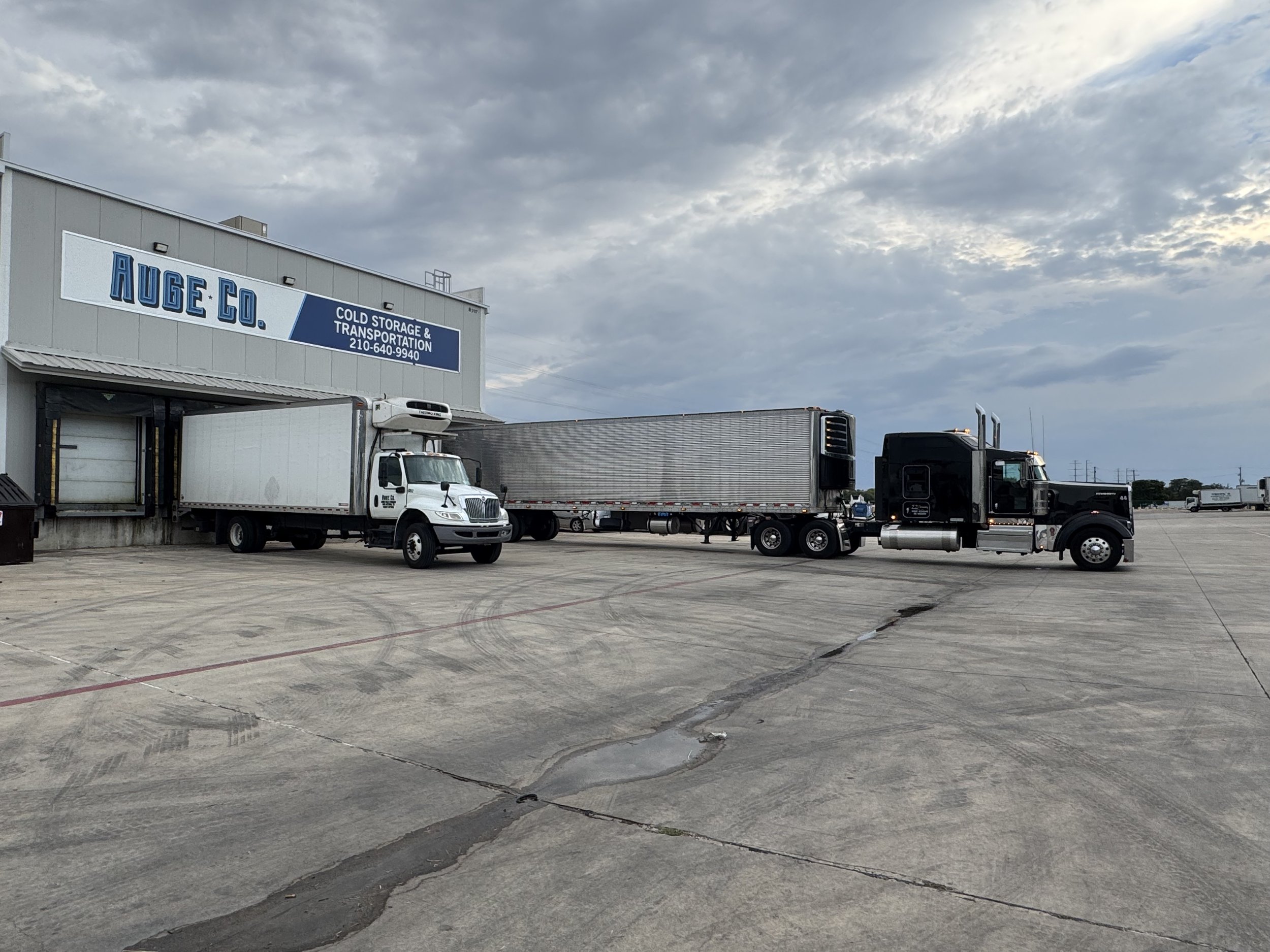
Well-designed insulation and doors reduce infiltration, which keeps temperature gradients tight and humidity in range. LED lighting adds less radiant heat. Heat reclaim for defrost reduces sharp humidity drops. Many cold storage warehouses in hot climates use vestibules and air curtains to keep tropical air out when forklifts move quickly. In regions like South Texas, where refrigerated storage San Antonio TX faces long stretches of heat and humidity, these details protect product integrity as much as they save money.
Choosing the right partner, locally and regionally
A common search starts with cold storage near me, because proximity matters. The closer your facility is to your production plant, growers, or major customers, the shorter your warm-chain windows. That said, the nearest option is not always the best one. You need capacity, capability, and culture. Walk the building, then walk another. Meet the supervisors who run nights and weekends. Ask about turnover in both staff and customers. High churn correlates with inconsistent practices.
In a market like cold storage San Antonio TX, you will find a mix of legacy warehouses, newer temperature-controlled storage facilities built with e-grocery in mind, and carriers with dedicated rooms attached to their terminals. For a retailer doing rapid replenishment, a cold storage warehouse near me that can pick mixed-temp orders within hours beats a cheaper site forty miles away that only touches full pallets. For a manufacturer with long dated frozen goods, a more distant facility with deep-freeze density and rail access might be the smarter choice.
Capacity claims deserve scrutiny. If a provider says they have room, ask if that space is in the correct temperature zone, not just anywhere in the building. Confirm whether they can support seasonal spikes without shuffling your inventory into suboptimal rooms. If you are evaluating a cold storage warehouse San Antonio TX during citrus season, for example, walk the produce rooms at peak load and look for pallet blocking, product creeping too close to coils, and forklift traffic jams that leave doors open.
Practical shelf life wins you can implement quickly
Little changes add days. I have seen produce gains of two to three days simply by tightening RH control and adjusting air deflectors. Protein holds color longer when direct airflow from evaporators is diffused to prevent surface drying. Bakery items do better when staged in a cool room before entering a chill room, reducing condensation on packaging that would later feed mold.
Retailers can align planograms and order cycles with realistic shelf life out of storage. If milk leaves a facility with 12 to 14 days of code and spends two days in transit, stores should not order by full pallets if that means a third of the unit will expire in the stockroom. Work back from code dates and use the storage provider’s data to refine order sizes. For e-commerce operations, configure your WMS to prioritize oldest lots by default, with overrides allowed only when shipping zones or carrier cutoffs require it.
Suppliers can make receiver’s lives easier by printing large, scannable lot codes and clear temperature handling instructions on outer cartons, not just inner packs. A cold storage warehouse receiving crew moves quickly. If they have to hunt for codes, they guess. Guessing erodes traceability, which erodes confidence when a recall or complaint arises.
Risk management, insurance, and real contingencies
Even the best-run refrigerated storage has bad days. Power flickers, ammonia leaks, or ice buildup forces a shutdown. The question is not whether a facility has had incidents, but how they handled them. I ask to see the emergency response plan, backup power capacity and run time, and vendor relationships for rental generators or temporary reefers. In a heat-prone area like temperature-controlled storage San Antonio TX, a heat wave combined with grid strain is not hypothetical. A facility with 24 hours of fuel on site and a tested switchover procedure is a safer bet than one that promises to call a supplier when trouble hits.
Insurance matters too. Confirm that product is insured at replacement cost, not just depreciated value, and understand what constitutes a covered loss. Some policies exclude spoilage from gradual temperature drift. Others require documented temperature logs at sufficiently tight intervals. Your provider’s data practices feed directly into your ability to recover if something goes wrong.
Local insights, with a San Antonio lens
San Antonio sits at the crossroads of northbound produce from Mexico, Texas beef and poultry heading to national chains, and a growing set of CPG manufacturers serving the region. That makes the cold storage ecosystem dynamic. A cold storage warehouse in San Antonio TX that succeeds typically balances cross-dock speed with the discipline required for longer-term storage. The best sites blend conventional pallet positions with pick modules for store-friendly case picking, which reduces in-store backroom dwell time and protects shelf life downstream.
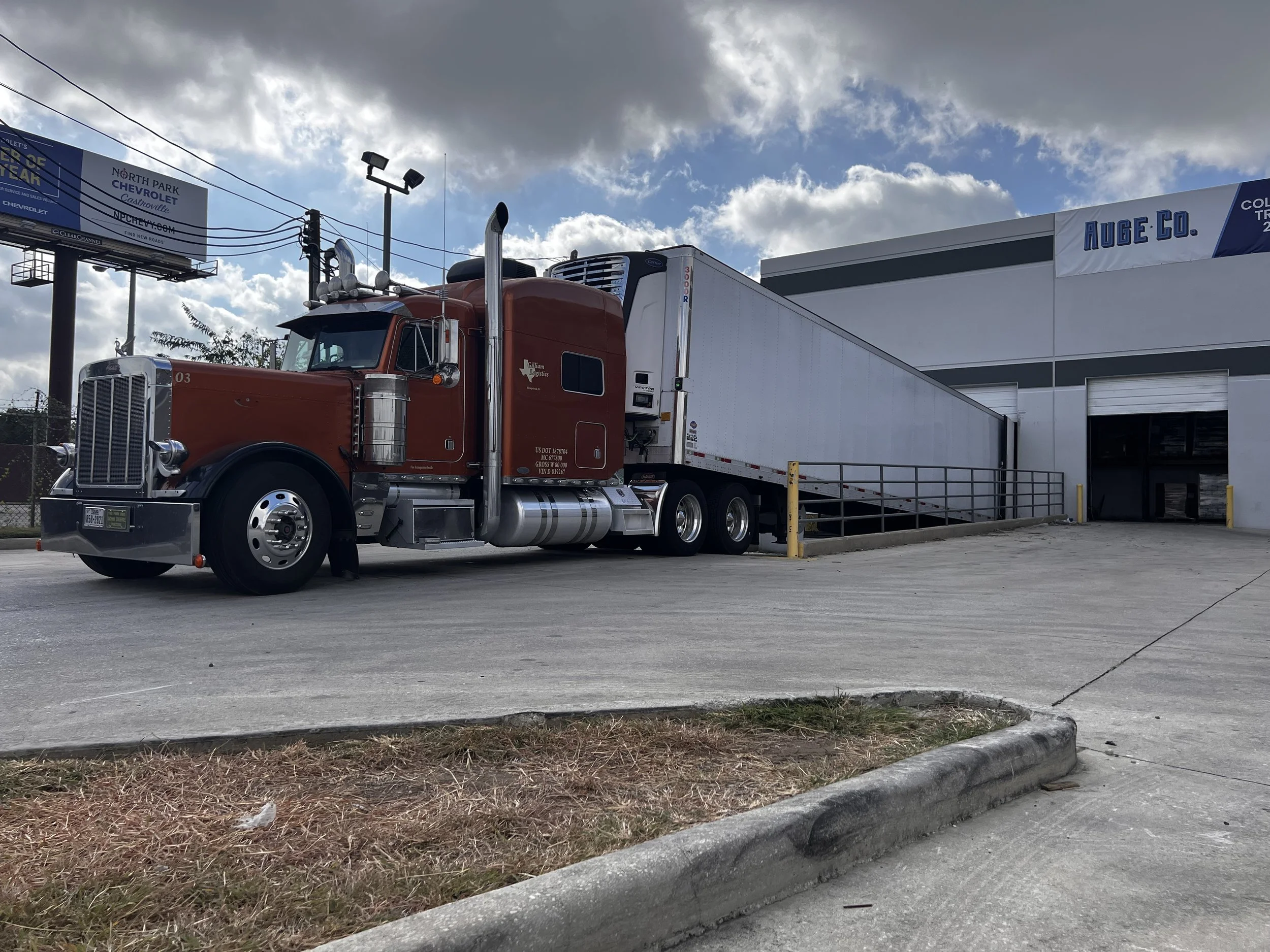
Heat and humidity are the defining constraints. I have walked docks in August where the difference between the parking lot and the freezer felt like a wall. Well-sealed doors and fast loaders are not optional. If you are evaluating refrigerated storage San Antonio TX, pay special attention to how yards are managed. If trailers queue without shore power or diesel reefers, product warms before it ever sees a dock. Facilities with plug-in stations and monitored trailer temperatures impose discipline that saves you from arguing over warm product later.
There is a robust network of temperature-controlled carriers in the area. If your cold storage partner also runs a fleet, that can be a plus because dispatch aligns with warehouse cutoffs. Just ensure the warehouse does not prioritize fleet freight over your non-fleet orders. Metrics should be transparent: on-time departure, case fill rates, dwell time by customer, and damage rates.
Technology that helps, not hinders
Investments in automation and software pay off when they reduce touches and variation. Voice-directed picking in a chill room keeps hands in gloves and heads up, which speeds work without increasing errors. Mobile scanners with cold-rated batteries reduce downtime. Door sensors tied into the WMS create incentives for fast turns by making slow doors visible.
AI hype aside, simple predictive models built on your temperature and dwell data can flag SKUs at risk. If your system sees that a particular salad kit repeatedly spends 45 minutes at dock ambient across three nodes every Friday afternoon, you can adjust schedules or reposition fast movers. You do not need a moonshot toolset. You need clean data and a team that trusts it enough to act.
Costs, trade-offs, and how to spend wisely
Cold storage is not cheap. Energy, insurance, maintenance, and capital build into every pallet position. The aim is not to minimize the rate at all costs, but to optimize total landed cost and shelf life. If a provider charges a modest premium but destroys fewer cases, reduces returns, and increases code days delivered, you will feel the gain in sell-through. Conversely, you can overspec. I have seen brands pay for deep-freeze storage on products that hold just as well at 10 Fahrenheit because that was the only open room. Misalignment like that quietly chews through margins.
Think in tiers. Reserve the most stable, high-control zones for the most sensitive or valuable items. Park resilient SKUs in standard rooms. Use portable data loggers sparingly on problematic lanes rather than blanketing every shipment. Align your service-level agreements with what you actually need: temperature band ranges, maximum door dwell, pick accuracy, and lot traceability. The tighter the SLA, the higher the price. Pay where it matters, relax where it does not.
Working with a facility to lift shelf life step by step
Here is a straightforward way to collaborate with your cold storage partner without drowning everyone in projects.
- Map your top 10 SKUs by value at risk and sensitivity. For each, define the ideal temperature and humidity, acceptable dwell times, and maximum touches from receiving to ship. Share this one-page spec with the warehouse supervisor and walk through current handling. Implement one low-cost airflow fix in the next month. Examples include redirecting a vent, adding baffles to a hot aisle, or opening pallet patterns to create air chimneys. Measure temperature variation across a test pallet before and after. Tighten dock discipline around those SKUs for a 30-day sprint. Set a door-open time target and monitor. Stage these items closest to the dock that matches their ship schedule. Track exceptions and root causes. Add simple, mobile-friendly logging for exceptions. Use a QR code on pallet tags that links to a short form: when, where, and why the pallet left its zone. Review weekly with the supervisor and adjust. After 60 days, compare shrink, code days on departure, and return rates. If you see improvement, roll the changes to the next set of SKUs. If not, revisit assumptions on packaging or storage zone.
That sequence avoids big capital and gives your team quick wins. It also builds trust with the facility, which often unlocks better performance than any contract clause.
What to watch during a site walk
A short checklist keeps the visit productive without turning it into an audit.
- Look at coil faces and fan housings. Light frost is normal, heavy rime or uneven frost hints at airflow or defrost issues. Check door seals, thresholds, and curtains. Gaps mean infiltration, which means temperature swings and condensation. Watch how pallets move at shift change. Bottlenecks at the dock or staging areas are where temperature discipline erodes. Ask a supervisor to pull the last week of temperature and humidity data. Look for spikes around defrost cycles or heavy shipping windows. Inspect sanitation tools and storage. If mops and squeegees are wet and leaning in corners, biofilm is creeping in.
These observations, combined with a conversation about staffing stability and training, tell you more about future shelf life than a brochure ever will.
Regional expansion and the network effect
As your footprint grows, think of cold storage as a network. A hub in San Antonio with satellites in Austin and the Rio Grande Valley can balance inventories and protect shelf life during weather events or seasonal surges. Temperature-controlled storage San Antonio TX often pairs well with a secondary site along I-35 to shield Dallas or Waco deliveries from single-node risk. If your products swing from peak demand on weekends to quiet weekdays, look for partners who can flex labor and staging without sacrificing temperature integrity. Shared-user facilities can be better for variability, while dedicated rooms shine for consistency.
Transportation ties into the network design. Cross-docking at the hub with night deliveries reduces dock congestion and heat exposure during the afternoon. Pair that with carrier contracts that include reefer monitoring and alerts, and you reduce the chance of product warming in transit. Some companies add parcel-capable chill rooms for DTC orders, which prevents constant door cycles in the main room.
When local searches meet practical needs
People often start with cold storage warehouse near me or temperature-controlled storage near me because urgency drives the search. That is reasonable. Once you have a shortlist, bring method to the process. For a San Antonio decision, I suggest visiting at least two facilities, one newer and one established. Evaluate their refrigeration systems, airflow strategies, and data practices. Judge how they manage heat and humidity at the dock. Ask for references from customers with product profiles similar to yours, not just any satisfied client.
Price the storage, handling, and accessorials carefully. Hidden costs hide in minimum pick fees, after-hours surcharges, and rush order premiums. If you plan to scale, negotiate growth pricing bands. If your product requires specialized handling like blast freezing or tempering, verify lead times and capacity. In a hot market, those services bottleneck fast.
The bottom line on shelf life
Maximizing shelf life is a systems problem. Cold storage facilities are a central node in that system, converting capital and know-how into predictable conditions. The best operators do the unglamorous things day after day: calibrate sensors, clean drains, seal doors, and adjust airflow. The best clients meet them halfway by aligning packaging, pallet patterns, and schedules with how cold storage works in the real world.
If you bring a clear understanding of your products’ needs, choose a facility that can hold stable temperature and humidity, enforce dock discipline, and share clean data, you will see shelf life gains. Those gains show up as fewer credits, better on-shelf availability, and fresher product in customers’ hands. That is how you turn cold storage from a cost center into a quiet competitive advantage.
Auge Co. Inc 3940 N PanAm Expy, San Antonio, TX 78219 (210) 640-9940 FH2J+JX San Antonio, Texas