San Antonio sits at the intersection of heat, humidity, and heavy freight. That refrigerated storage combination makes cold chains both fragile and essential. Whether you’re moving South Texas produce, frozen proteins, pharmaceutical samples, or premium confections, product integrity lives and dies on the details you control between dock doors. I have walked facilities in August where a minute of delay at a bay door meant a five-degree spike at the pallet center. The lesson is simple: cold storage isn’t a room with low air temperature. It’s a disciplined system stitched together with people, process, and proof.
This guide lays out the pieces that matter in cold storage San Antonio TX, from the building envelope to route design and final mile delivery services. If you manage a food brand, a biotech operation, or a distributor serving H‑E‑B and regional retailers, there are specific choices in this market that will keep your product inside spec and your shrink under control.
What “product integrity” means in practice
Integrity is more than “it feels cold.” It is the documented assurance that temperature, humidity, handling, and time stayed within your product’s spec across every handoff. For ice cream, that might mean never exceeding -10°F for more than a few minutes. For leafy greens, the target can be 34 to 36°F with high humidity and rapid heat removal. Pharmaceuticals may require an unbroken 2 to 8°C chain with calibrated sensors and redundant power. Each category has edge cases: strawberries hold up if the air is cold but suffer if humidity drops, vaccines tolerate brief door openings but not long dwell times at the dock.
The practical definition is threefold: the product remains safe, it preserves sensory and functional quality, and you can prove both to a regulator or customer without hesitation.
The San Antonio environment: why it complicates cold chain
San Antonio heat spikes quickly and stays. Afternoon highs over 95°F stretch across months, and radiant heat from pavement and roofs drives dock temperatures even higher. The humidity isn’t coastal, yet it’s enough to condense on metal thresholds and corrode unsealed equipment. Add truck yards that bake by midday and you have a recipe for rapid thermal gain the moment a refrigerated trailer opens.
Cold storage facilities San Antonio face a higher infiltration load from frequent door cycles, plus dust and pollen that clog evaporators. Selection of a cold storage warehouse here demands attention to insulation rating, dock sealing, and generator capacity. The climate also shifts throughput patterns. Deliveries bunch in the morning and late evening, which can create cross‑dock bottlenecks if the layout is wrong.
Core facility standards you should expect
The term “cold storage warehouse” covers a broad range, from simple coolers to pharma‑grade units. In San Antonio, I evaluate six fundamentals.
Envelope and insulation. Look for panels rated at least R‑30 in freezers and R‑20 in coolers, with thermal breaks at junctions. Infrared inspections should reveal no hot spots at roof penetrations or wall seams. On tours, check the floor near the wall toe kick. If you feel a warm edge, moisture migration may be at work.
Dock design and air management. Warm air infiltration ruins more products than compressor failure. Verify that dock pits are sealed, dock levelers have under‑leveler seals, and dock shelters or seals fit tightly to typical trailer profiles. Air curtains or vestibules are a plus at high‑traffic doors. Ask for temperature delta data at the dock over a typical afternoon.
Refrigeration system capacity and redundancy. In this market, N+1 redundancy for critical rooms is not optional. I like to see multiple compressors on independent circuits, hot gas defrost capability, and a preventive maintenance history that shows condenser cleanings timed to the pollen cycle. For refrigerated storage San Antonio TX, condenser fouling comes faster than in drier climates.
Power security. A quick glance at a generator is not enough. Ask for the load study. Does the generator support the full refrigeration load plus lights, controls, and IT? How long is the on‑site fuel capacity at 100 percent load? Four to eight hours is common; twenty‑four is better in storm season.
Temperature monitoring and calibration. Data loggers should be mapped to critical zones, including high racks, door‑adjacent pallets, and return air. Calibration certificates need to be current, ideally within six months for pharma and twelve for food. Alerts should escalate to on‑call staff within minutes, not hours.
Sanitation and pest management. Warm months bring insect pressure. Walk the floor edges. You want clean surfaces, no pooled condensate, and maintained door sweeps in ambient areas leading to temperature‑controlled storage. Ask to see the master sanitation schedule and recent third‑party audit scores.
If you are searching “cold storage near me” or “cold storage warehouse near me” and touring candidates, bring a thermometer and a flashlight. Simple checks tell you more than brochures. Open a random carton near the dock and probe. If the carton air reads five degrees warmer than the room, that site likely struggles during peak hours.
Matching temperature zones to product profiles
It is tempting to rent a single temperature‑controlled storage room and put everything inside it. That usually costs you shelf life and claim dollars. A well‑run cold storage warehouse in San Antonio will offer distinct zones, each with their own load profiles and handling rules.
Deep‑freeze for -10 to -20°F. Ideal for ice cream, certain seafood, and long‑term protein storage. Here, frequent door openings punish compressors. Facilities that handle deep‑freeze well will stage outbound pallets in an ante‑room and use pallet curtains to limit air exchange.
Frozen, 0 to -5°F. Common for bulk proteins and frozen entrees. You still want defrost cycles planned for off‑peak to avoid thermal swings. Look for even frost patterns on coils, which suggest balanced air throw.
Chilled, 34 to 38°F. Produce, dairy, and fresh meat share this range, yet they do not share airflow needs. Produce rooms benefit from higher humidity and gentler fans. Meat tolerates brisk air, but drip pans and floor sloping matter to avoid icing.
Cool, 45 to 55°F. Beverages, some chocolates, certain pharmaceuticals travel well here. Chocolate plus Texas heat is a classic edge case. If your confection runs are premium, insist on 50 to 55°F with low humidity and minimal handling. One smudge and the box is a return.
Controlled room temperature, 59 to 77°F. Many life science products fall here. The trick is consistency more than absolute cold. Rooms should avoid sun‑facing walls and have tight deadband control.
When a provider offers “temperature‑controlled storage San Antonio TX” without clarity, press for set points, tolerances, and how they verify product temperature at receiving and shipping. Room air is a weak proxy for carton core if loading practices are sloppy.
Cross‑docking without losing the cold
Cross‑docking can keep products moving while slashing storage costs, yet it also introduces risk if dwell time stretches or dock doors cycle too often. A capable cross dock warehouse in San Antonio will build processes around speed and temperature discipline, not just forklift choreography.
First, the layout matters. A linear flow from inbound to sort to outbound, with short travel paths and minimal congestion, prevents idling pallets near dock heat. Second, visibility drives the clock. Shipment pre‑alerts with trailer appointment times let the facility stage staff and equipment at the right minute. Third, the facility must be equipped to handle mixed modes. If you move both chilled and frozen, you want physically separated staging with distinct doors. Shared docks bleed cold between zones.
Cross‑docking shines for imported produce from the Valley headed to central Texas stores. The trucks hit the cross dock in the early morning, cases get reworked into store‑specific pallets, and outbound loading starts before the sun becomes your enemy. If you hear “cross dock near me” and think any dock will do, you’ll pay with shrink. Look for a cross dock warehouse San Antonio that tracks time on dock by SKU and can show you median dwell times below one hour for perishables.
Final mile delivery in the heat
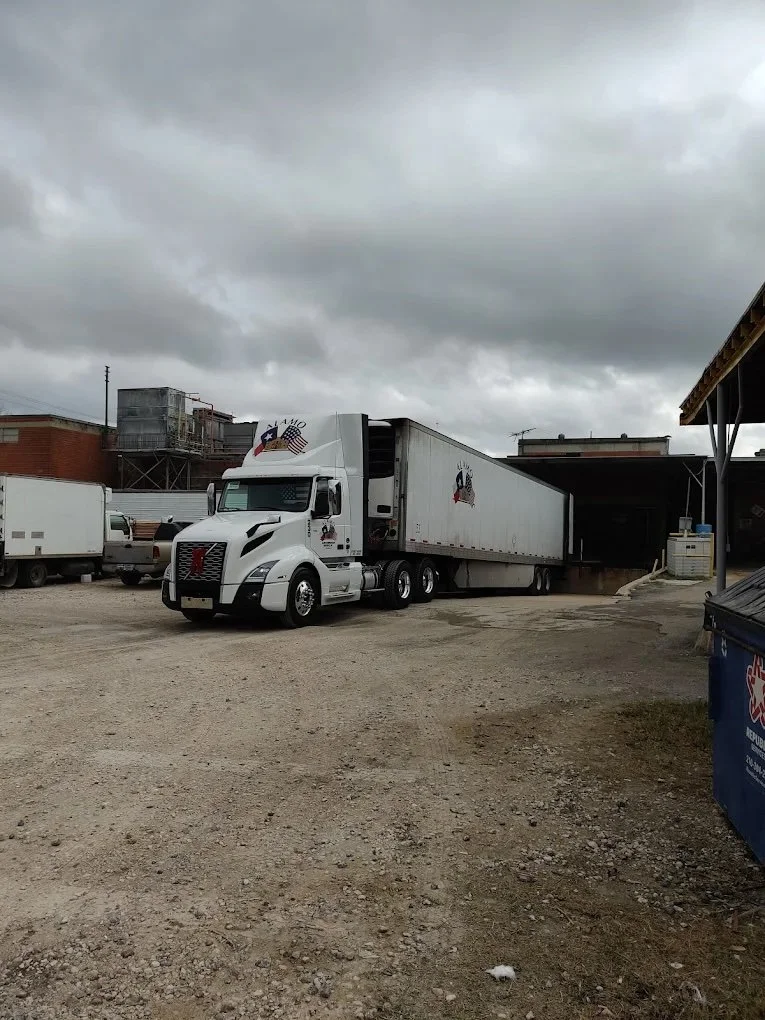
Final mile delivery services become your last chance to hold spec before a store receiver signs the BOL or a clinic logs a receipt. San Antonio traffic adds uncertainty, and parking lots cook. For final mile delivery services San Antonio TX, verify three points: vehicle type, monitoring, and driver practice.
Vehicle type. For frozen and chilled, insulated bodies with mechanical refrigeration beat insulated sprinters with eutectic plates when ambient temperatures soar. For controlled room temperature pharma, a well insulated, actively monitored van avoids over‑cooling as much as overheating.
Monitoring. Real‑time telematics with geofencing helps, but the proof lives in route temperature logs tied to each stop. Data should reconcile to your shipment, not just the vehicle. Ask for a sample of logs from the same week and time window as your delivery.
Driver practice. I have watched great systems fail because a driver propped a side door with a pallet during a handshake and paperwork session. Experienced drivers keep doors closed until receiving is ready, stage coolers for partial drops, and use dock seals properly. Training and incentives matter.
If your search history includes “final mile delivery services” alongside “temperature‑controlled storage san antonio tx,” look for providers that combine both. Integrated providers reduce handoffs, and the fewer times your product sits on a sunny dock apron, the better.
Receiving, putaway, and the first hour risk
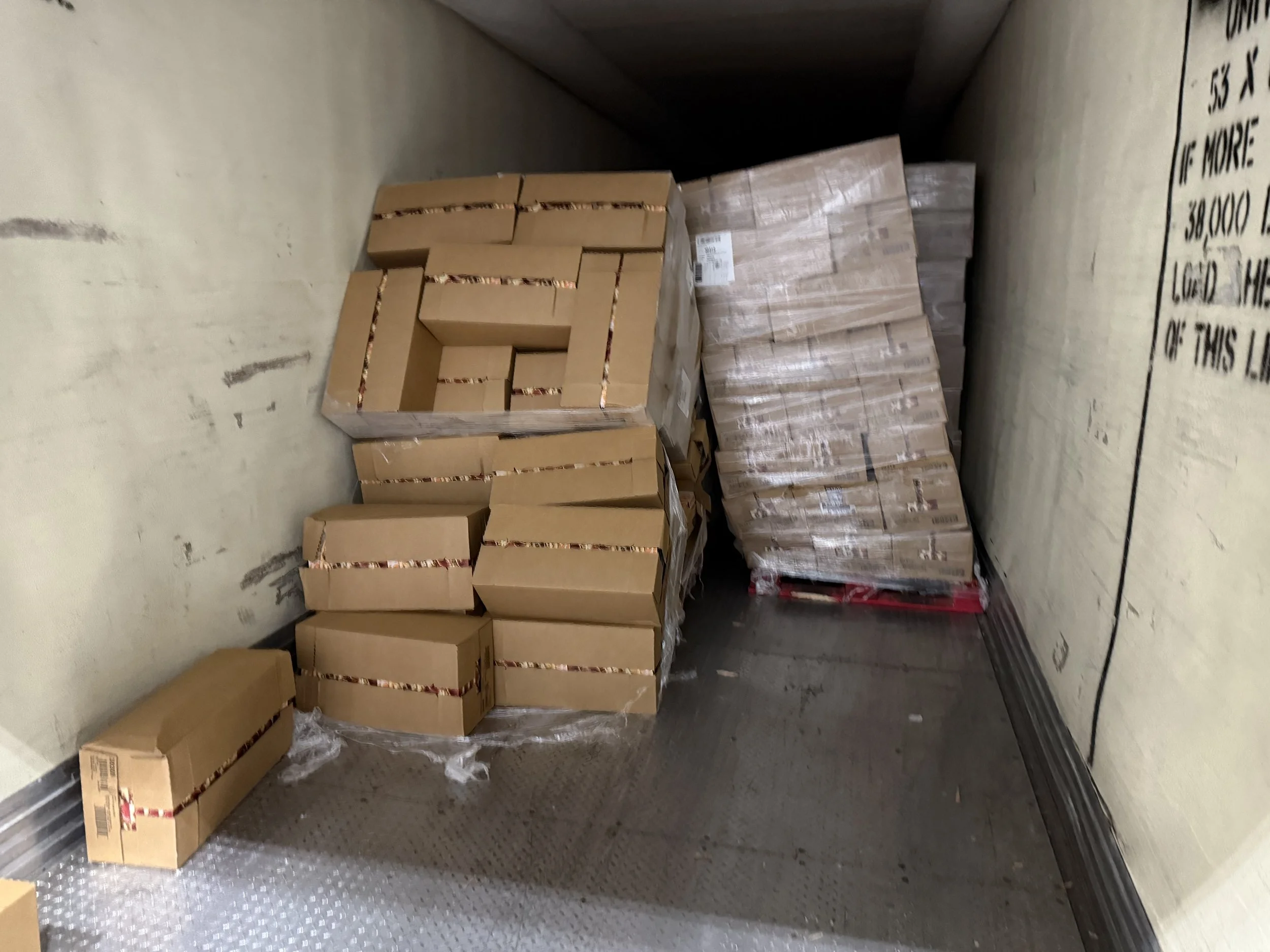
Most product damage happens in the first hour inside the building. Heat‑soaked pallets arrive at dawn, and if staff are thin or paperwork is slow, you lose the race against latent heat. Good operations build their day around this surge.
Appointments and pre‑staging. Tight appointment windows keep trailers from stacking at the gate. Pre‑staged dock equipment, including calibrated probes and pallet wrappers, shortens cycle time.
Temperature checks and exceptions. Probing the top and middle of a pallet at receiving provides early warning. If a set of cases reads high, fast track it to a cooler with high air movement, then decide whether to accept, recondition, or reject. Documentation protects your claim position later.
Directed putaway. A warehouse management system that considers zone temperature, rack location height, and product turnover reduces handling. In San Antonio, I prefer fast‑moving SKUs near doors but offset by a short vestibule or strip curtain to buffer air.
Humidity and icing. As humid air infiltrates, ice forms on thresholds and lower rack beams. That is a safety hazard and a heat sink. Facilities with disciplined defrost schedules and aggressive squeegee routines keep mobility high during peak periods.
Picking, rework, and quality control
Error‑proofing in the cold is about clarity and comfort. Staff who see well, breathe comfortably, and aren’t rushed make fewer mistakes.
Lighting and labeling. LED lighting rated for cold rooms reduces glare and keeps labels legible. Larger, moisture‑resistant labels on racking and pallets pay for themselves when goggles fog.
Pick methods. Voice picking works in freezers if headsets are insulated and batteries stay warm. Some operations switch to zone picking during peak heat to reduce door cycles. Batch picking for multiple stores makes sense if the staging area holds temperature.
Rework areas. If you relabel or reconfigure cases, do it in a cool vestibule rather than on the dock. Every open case on a hot dock is a quality slip waiting to happen.
Quality checks. Insert brief, frequent checks rather than big audits after the fact. A quick probe at mid‑pick and at staging catches problems when they are still fixable.
Data: the difference between “cold enough” and defensible
You can walk a facility and feel confident, yet your customer or a regulator will want proof. A robust data model matters.
Sensor placement and density. A large cooler with one sensor near the return air tells an optimistic story. Good practice puts sensors at multiple heights and corners, with at least one near the door and one deep in the racks. For higher risk products, add carton‑level loggers on inbound pallets.
Calibration and traceability. Instruments drift. Logs should link each sensor to a calibration certificate and date. If the facility cannot produce this within minutes, expect gaps elsewhere.
Alerts and response. Temperature alerts are only as useful as the response. Ask how many alerts occurred last quarter, how quickly staff responded, and what corrective actions followed. A low alert count with fast responses is ideal. A zero alert count can be a red flag if thresholds are too wide.
Integrations. If your ERP or quality system can ingest temperature and event data, integration reduces manual work and errors. EDI for ASN and proof of delivery, API for telemetry, and automated exception reporting turn data into decisions.
Choosing the right partner in San Antonio
You might be tempted to type “cold storage San Antonio TX” or “cross dock San Antonio TX” and pick the top search result. Better to invest a day into due diligence. The market includes legacy facilities near the airport, newer sites along I‑10 and I‑35, and niche operators with pharma credentials. Fit trumps gloss.

Use a short, disciplined evaluation:
- Tour during the hottest part of the day and watch dock practices for 30 minutes without introduction. You want to see doors closed promptly, seals used, and staging inside conditioned space. Ask for last quarter’s temperature excursion log and corrective actions. Look for specifics, not vague assurances. Verify generator load, fuel capacity, and the last full‑load test date. A weekly start test is not the same as a two‑hour loaded run. Probe random pallets at receiving and staging with your own thermometer. Compare to their room logs. Talk to the night shift supervisor. That is when refrigeration issues surface and when fewer managers are present.
Those questions separate a marketing claim from operational reality. If a provider answers them clearly, they are likely capable of protecting your product.
Cost, contracts, and where to spend the premium
In San Antonio, you pay for power, labor, and land. Cold storage providers pass those costs through in pallet rates, handling fees, and accessorials. There is a premium for true pharma‑grade rooms and for high‑capacity cross‑docking during peak season. The trick is to pay for control, not for shiny floors.
Spend on the following. Strong dock insulation, reliable backup power, calibrated monitoring, and trained labor. Skimp, with caution, on cosmetic finishes in non‑food contact areas and on noncritical amenities. If a bid is 10 percent higher but includes generator fuel for 24 hours and real‑time temperature logs tied to your ASN, that premium often comes back as lower shrink and fewer claims.
Contracts should define temperature ranges by SKU or category, time on dock maximums, and escalation procedures. Tie performance to measurable KPIs, like average dwell time for cross‑docked pallets, order accuracy, and on‑time final mile delivery.
When “cold storage near me” is the wrong filter
Proximity helps, yet the nearest site isn’t always the best. For example, a cross dock warehouse near me might shave ten minutes off a route but add risk if it lacks freezer doors or a generator. Conversely, a facility ten miles farther with a sealed dock and integrated final mile delivery reduces handoffs and total time. Consider origin and destination flow, not just a pin on a map.
For long‑haul inbound frozen loads that arrive overnight, a site with after‑hours staffed receiving prevents dwell on hot asphalt. For high‑value pharma, a secure building with restricted access and temperature‑mapped rooms beats a simple cooler down the street.
Operations during heat advisories and outages
San Antonio’s grid has held in recent years, yet heat advisories test systems. Prepared operations adapt their playbook fast.
Load leveling. Shift heavy outbound to early morning or late evening. Limit door cycles in deep‑freeze rooms during peak heat.
Staging strategies. Use vestibules and strip curtains aggressively. Stage mixed‑temp outbound loads in separate conditioned areas to avoid double handling.
Generator drills. Facilities that test under load quarterly spot weak transfer switches and undersized fuel filters before the real event. Ask to see the last drill’s notes.
Communication. If a grid event hits, you want a partner who not only keeps the cold but tells you accurately what is happening. Honest updates let you reroute or divert.
How cross‑functional planning keeps quality intact
Supply chain silos ruin cold chains. Demand planners who know nothing of dock capacity build waves that no one can process on time. Sales teams promise same‑day delivery without checking final mile availability. The fix is routine, short planning calls across stakeholders.
Weekly cadence works. Review inbound loads, promotions that will spike volume, and maintenance windows. Align labor and transportation to the temperature risk, not just the volume. For instance, pull forward a protein load to hit the dock at 6 a.m., then push ambient items to midday when dock congestion is lighter.
A note on compliance and audits
Third‑party audits cut through anecdotes. Food operations frequently rely on SQF or BRCGS certification. Pharma groups look for GDP or specific manufacturer audits. Audit scores provide a baseline, but read the corrective action plans. A site that fixed door seals, updated calibration, and retrained staff after a tough audit often outperforms a “clean” site that hasn’t been tested.
Traceability drills are equally telling. Ask for a mock recall demonstration. Can they trace a pallet from receiving to final mile delivery services documentation within an hour? If not, keep looking.
Bringing it together: a practical sequence for shippers
If you are setting up or refining your San Antonio cold chain, a simple sequence keeps priorities straight.
- Define product specs by SKU, including temperature, humidity, and time allowances. Put numbers in writing. Map your flow: origins, cross‑docking needs, storage dwell, and final mile delivery windows. Identify the hottest, longest exposure points. Select facilities and carriers that match your risk points. Validate with data and site visits during heat. Embed monitoring at room and product level where risk is highest. Set alert thresholds tight enough to matter. Train people, then reward the behaviors that keep doors closed, probes calibrated, and dwell low.
This isn’t theory. I have watched a summer peach program succeed because the team pulled loads an hour earlier, staged in a cooler vestibule, added pallet covers for the outbound ramp, and tightened cross‑dock dwell. The change cost pennies per case, and shrink dropped by more than a point.
Where San Antonio cold storage excels
Despite the heat, the region offers advantages. Proximity to produce from the Rio Grande Valley, strong highway links to Austin, Houston, and the Hill Country, and a workforce familiar with food distribution help. Several operators have modernized with better dock seals, smarter control systems, and dedicated cross‑dock lanes. If you need a cross dock warehouse San Antonio that can rework mixed-temperature loads quickly, the capacity exists, especially if you book morning slots.
For shippers scanning for “cold storage facilities San Antonio” or “cross dock near me,” the market can support pharma, grocery, and foodservice standards. The differentiator will be how well your partner proves control in August, not how polished the tour feels in February.
Final thoughts from the dock floor
Product integrity is earned in seconds: the moment a door opens, a probe beeps, a supervisor decides whether to accept a warm pallet, a driver chooses to wait for receiving rather than prop a door. In this climate, details compound. Facilities that invest in dock discipline, calibrated monitoring, and trained people protect your brand. Operations that chase volume without process leave you holding claims.
Choose a cold storage warehouse that treats temperature like a contract, not a suggestion. Pair it with a cross‑docking partner who values minutes, and a final mile delivery team that knows a closed door is as important as a full tank of fuel. Do that in San Antonio’s heat, and your product arrives the way you made it, not the way the weather tried to make it.
Auge Co. Inc. 9342 SE Loop 410 Acc Rd Suite 3117, San Antonio, TX 78223 (210) 640-9940 8HCC+G4 San Antonio, Texas